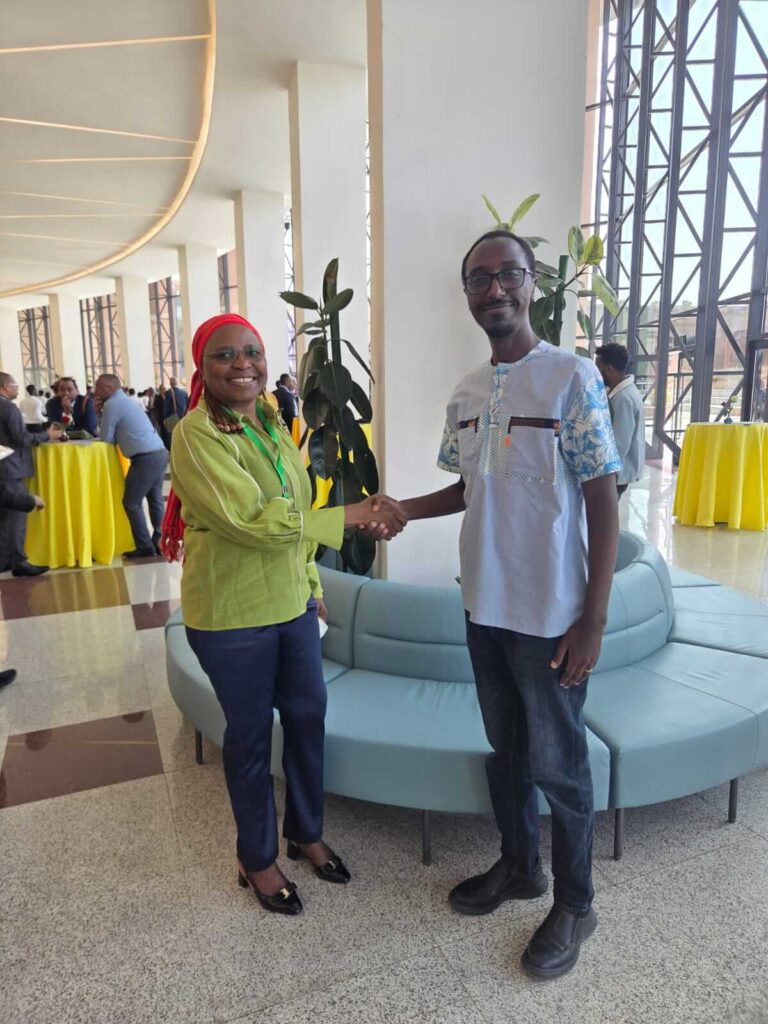
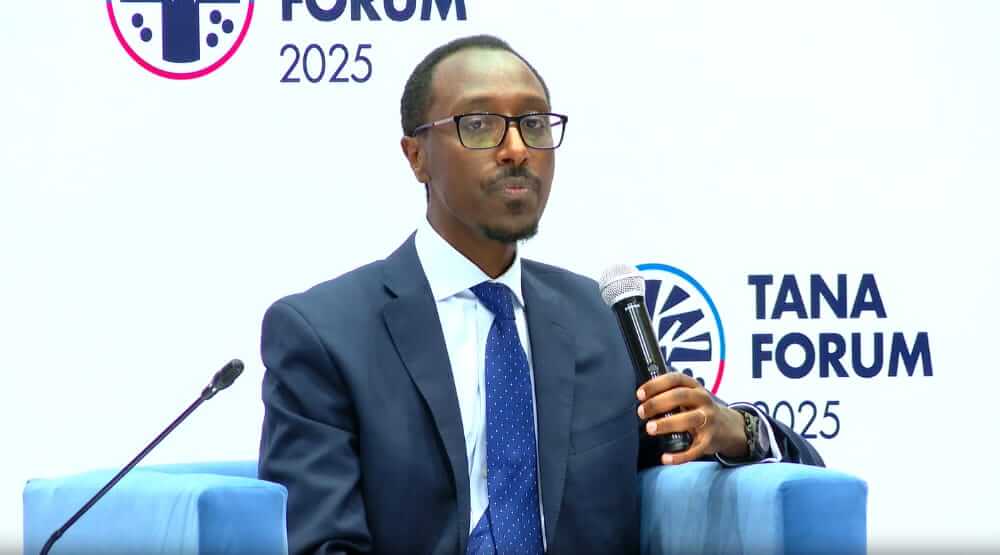
During the 11th Tana Forum on Security in Africa, held in Addis Ababa from 24–26 October, my colleagues and I had the opportunity to travel through the city at night. Addis Ababa was brightly illuminated, its roads smooth and well maintained. Many of us were pleasantly surprised by the scale and quality of the city’s transformation, to the point that it was almost unrecognisable. It has truly become a city of lights.
During the plenary session the following day, I asked the Ethiopian Minister of Foreign Affairs, Dr. Gedion Timotheos, what he attributed this remarkable progress to. His response was concise: discipline and accountability. Officials, he explained, carry out their responsibilities diligently and on time, and everyone is held accountable for delivering on agreed targets. This spelt discipline and focus. He emphasised that the development we observed in Addis Ababa is mirrored across other parts of the country.
Another colleague asked the Minister about the significance of the Grand Ethiopian Renaissance Dam (GERD) for Ethiopians. He described the GERD as a national symbol of pride and collective ownership. It has provided the country with a reliable source of electricity—one that Ethiopia is now sharing with neighbouring states as an expression of solidarity.
This prompted a further question: if Ethiopia was able to construct the GERD within such a short timeframe, why has the long-anticipated Grand Inga Dam not progressed? Its completion would undoubtedly accelerate industrialisation, reduce energy poverty, and strengthen regional cooperation.
What lessons, then, can be drawn from Ethiopia’s experience?
- Self-financing as a foundation for sovereignty
- Infrastructure as a driver of national unity
- Diplomatic diversification and steadfast resolve
- Regional integration through energy trade
- Innovative engineering and effective technical execution
This is the calibre of leadership required to unlock Africa’s development potential.